The Saudi Gamble
Newcastle United · PIF Era 2021–presentSince PIF's £305m takeover in October 2021, Newcastle United have transformed from a relegation candidate into a Champions League qualifier. The harder question is whether that momentum can be institutionalised into something European football respects year after year.
The foundation — what PIF actually built
Eddie Howe inherited a squad sitting bottom of the Premier League in November 2021. Three seasons later, that same core had secured a fourth-place finish and Newcastle's first Champions League football in twenty years. The structural change under PIF has moved faster than almost any comparable takeover in English football — and the parallels with Manchester City's Abu Dhabi era are instructive, if imprecise.
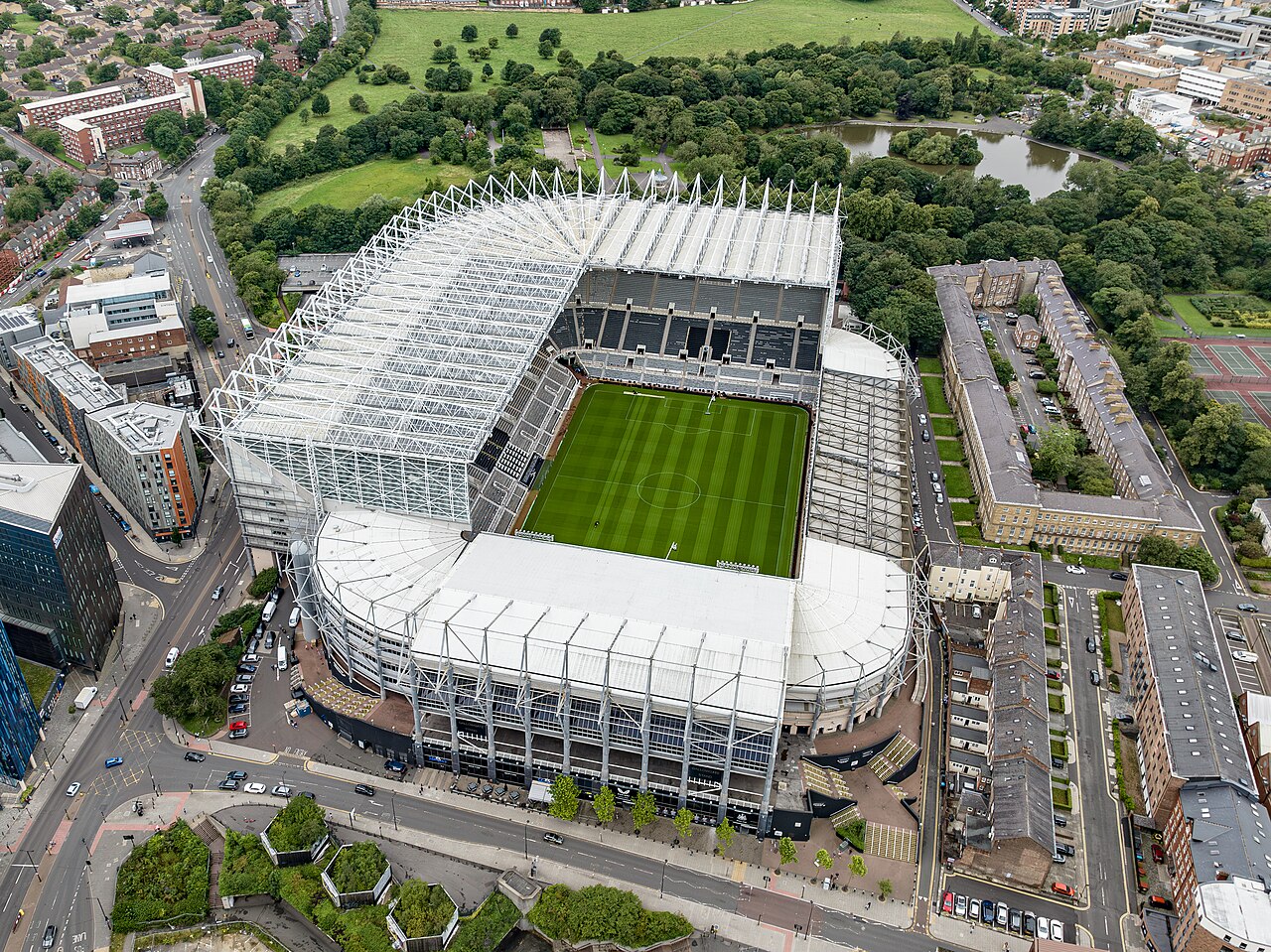
The key distinction from failed high-spending regimes elsewhere is that infrastructure investment has run alongside player acquisition. St James' Park redevelopment — stalled for over a decade under Mike Ashley — is now formally in motion. The academy has been restructured. Recruitment has targeted players who fit a tactical identity rather than names that shift shirts. These are not cosmetic decisions. They are the foundations that separate a project from a spending spree.
The European test — what the Champions League exposed
Europe tests clubs differently. The depth requirements, mid-week scheduling, and psychological toll of knockout football exposed Newcastle's squad limitations in their 2023–24 Champions League campaign. They exited at the group stage having shown moments of quality against PSG and Borussia Dortmund — but not the consistency that European progression demands. The club learned. The question is whether those lessons are being acted on structurally or simply discussed in post-mortems.
PIF bought a football club. The real task is building a football organisation — and those are not the same thing.
What the next five years require
Consistent European football is not purchased in a single window. It is the product of coaching continuity, squad depth built across multiple cycles, and a recruitment infrastructure that functions independently of any single manager or transfer committee. Newcastle have the ownership ambition. The task now is converting that ambition into the kind of institutional depth — data systems, loan networks, academy pipelines — that City and Liverpool took the better part of a decade to build. The money opens doors. Only the organisation can keep them open.
The Saudi project has produced a genuine contender, and Howe deserves credit for the on-pitch transformation. But the gap between a good Premier League side and a consistent European presence is institutional, not financial.
Newcastle's next chapter will be written in how they handle the seasons that go wrong — the injuries, the managerial pressure, the January windows. That is where projects are separated from dynasties. The foundation is there. The building is not finished.